

There’s a verse tucked into Paul’s letter to the Ephesians that most of us read quickly and move past. We nod at it, maybe underline it in a Bible study, and then get in the car and forget it existed by the time someone cuts us off in traffic.
Ephesians 4:29 says it plainly: no corrupting talk should come out of our mouths, only what builds others up and gives grace to those who hear it. Not some of what comes out of our mouths.
Not the parts we say in church or in front of the pastor. All of it.That’s the verse we’re sitting with today. Not to feel guilty, to be honest.
The list Paul actually gives us. Paul doesn’t stop at verse 29.
He keeps going, and the list is longer and more uncomfortable than we like to admit: v.29 – no corrupting talk, only what builds up. v.30 – don’t grieve the Holy Spirit, v.31 – put away bitterness, wrath, anger, clamor, slander, and malice, v.32 – be kind, tenderhearted, forgiving. 5:1-2 – walk in love, as Christ loved us 5:3-4 – no sexual immorality, impurity, greed, filthiness, foolish talk, or crude joking , instead, thanksgiving. 5:8- you were once darkness, but now you are light; walk as children of light.
That’s the arc. It starts with your mouth and ends with your identity. Paul is saying these aren’t se-parate issues, how you talk is evidence of who you actually belong to.
Let’s talk about coarse joking. This is the one we skip past fastest, because it feels harmless. “Crude joking” in verse 4 isn’t about a bad sense of humor.
The word Paul uses points to speech that’s witty, clever, and quick, but aimed at things it shouldn’t be aimed at. It’s the joke that gets a laugh because it’s edgy. The comment about someone’s body.

The joke that needs a filthy punchline to land. The humor that only works because it flirts with sin.
Here’s the trap: coarse joking doesn’t feel like sin in the moment. It feels like fitting in. It feels like being fun, being relatable, not being “that uptight Christian.”
But Paul puts it in the same sentence as sexual immorality and greed, not because the joke itself is as severe, but because it comes from the same unguarded heart. If your humor needs filth to be funny, that’s worth sitting with.“It’s just how I talk when I…”
We’ve all built little exception rooms in our lives. Places where we tell ourselves the verse doesn’t quite apply.When I drive.
Someone swerves in front of you, and it just comes out. You tell yourself nobody’s around to hear it, it’s just you and the windshield.
But Ephesians 4:30 says something sobering, that kind of talk grieves the Holy Spirit. He’s in the car. He was in the car before the other driver cut you off.
When I golf. A bad shot, a missed putt, and out it comes, sometimes with a laugh, like it’s part of the sport. But the mouth that curses a golf ball on Saturday is the same mouth that’s supposed to bless God on Sunday. Paul doesn’t let us off easy here either, more on that below.
When I fight. An argument with your spouse, your kid, a coworker, and suddenly the gloves come off verbally. This might be the most dangerous exception room of all, because it’s aimed at people, not steering wheels or golf balls.
Verse 31 lists bitterness, wrath, clamor, slander, malice, this is exactly what a fight brings out. And it’s exactly what Paul says has no place in a believer’s mouth.
Here’s the hard truth: there is no verse that says “unless you’re driving,” “unless you’re frustrated,” “unless it’s just a joke.”
The standard doesn’t pause for context. It’s not situational. It’s constant, because it’s not really about the situation, it’s about what’s actually in you. The test that cuts through the excuses.
Try this test, because it’s more convicting than any sermon point could be: If a young believer, someone still learning what it means to follow Jesus, was standing right next to you in that moment, would your mouth still open the same way?
Not “would you be embarrassed.” Would your words still be building them up?
Would they walk away from that conversation, that car ride, that round of golf, thinking this is what it looks like to follow Christ?
Or would they quietly file away a permission slip, oh, so this is allowed too?
That’s the weight of Ephesians 4:29. Your words don’t just reveal you. They shape who’s watching you. Someone is always standing next to you. A coworker. A child. A younger believer still deciding if this faith thing is real or just Sunday talk.What the rest of Scripture says.
Paul isn’t the only one who takes this seriously. Jesus himself said it starts before the words ever leave your mouth: what fills the heart is what spills out of the mouth, and He warned that we’ll give an account for every careless word we speak (Matt 12:34-36). Careless.
Not just malicious, careless. The word you didn’t even think about. James is even more blunt. He points out the strangeness of a mouth that blesses God and curses people made in His image out of the same set of lips, and says that shouldn’t be (Jam 3:9-10).
He compares the tongue to a small rudder steering a massive ship, and to a spark that sets a forest on fire (Jam 3:4-6). Small member. Enormous damage. Proverbs says death and life are in the power of the tongue (Prov 18:21). That’s not poetry, that’s a warning.
Your words carry weight you don’t always see in the moment. Colossians 3:8 echoes Ephesians almost word for word, telling believers to put away anger, malice, slander, and obscene talk.
And then Col 4:6 flips it positive: let your speech always be gracious, seasoned with salt, so you’ll know how to answer everyone.
Salt doesn’t just preserve, it makes things worth tasting. Your words should leave people wanting more of Christ, not less. A question to sit with, not just read.
Before you close this, don’t rush past it: Is your mouth wholesome, right now, in your actual everyday life, not just your Sunday version of yourself?
Does what comes out of it build others up? At all? Would it hold up next to a young believer watching how you handle traffic, a bad shot, a hard conversation?
That’s not a guilt trip. That’s the whole point of walking in the light, it’s supposed to be checked, not just professed. Paul didn’t write this list to shame us.
He wrote it because he believed we could actually live it, by the same Spirit we’re told not to grieve.
Ask Him to guard your mouth today. Not just in the moments you remember to ask.
No, I am not afraid.” (VICKY LUDICK)
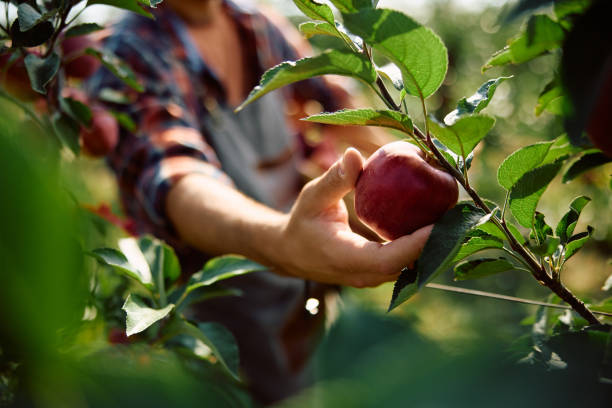
Aan hulle vrugte sal julle hulle ken
Ek is nie iemand wat gereeld oor my geloof skryf of dit luidrugtig uitleef nie. Vir my word geloof die duidelikste sigbaar in hoe ’n mens leef en ander behandel. Dit spreek baie harder as mooi woorde.
“Liewe kinders, ons liefde moenie net woorde en lippetaal wees nie, maar moet met daad bewys word, en dan in opregtheid” (1 Johannes 3:18).
Ek glo ook nie ek het alles uitgesorteer nie. Soos baie ander probeer ek elke dag ’n bietjie nader aan God leef. Soms slaag ek, soms struikel ek. Ek wil graag aan die vrug van my lewe geken te word.
En as daar een waarheid is waaraan ek wil vashou, is dit dat God liefde is. Daarom behoort liefde die beginpunt te wees van alles.
Die afgelope tyd dra ek egter ’n onrus in my hart oor iets wat al hoe meer kop uitsteek. Ek het lank gewonder of ek liewer moet stilbly, want dit is nie my aard om mense te veroordeel of vinger te wys nie. Tog glo ek daar is ’n verskil tussen oordeel en onderskeiding.
“Geliefdes, moenie enigeen glo wat sê dat hy die Gees van God het nie, want daar is nou reeds baie vals profete in die wêreld, maar ondersoek elkeen, ondersoek of sy gees van God afkomstig is” (1 Johannes 4:1).
Onlangs het ek ’n Christelike funksie bygewoon. Die musiek was hard en die atmosfeer kon ’n mens maklik meevoer. Dit is maklik om deur só ’n oomblik meegevoer te word. Alles voel indrukwekkend.
Ek het geen probleem daarmee dat mense hul geloof uitbundig of emosioneel uitleef nie. Nie almal aanbid op dieselfde manier nie. Wat vir een persoon natuurlik is, is vir iemand anders vreemd.
Ek sal ook nooit iemand se hart of ware motiewe ken nie. En tog het sekere dinge my laat wonder.
Daar is voortdurend vir die skare gesê wat om te doen: “Lig jou hande op. Hef dit hoër. Sing harder. Is jy skaam vir God?” Ek verstaan die begeerte om mense aan te moedig, maar ek kon nie help om myself af te vra waar die grens lê tussen spontane aanbidding en emosionele druk nie. Ware aanbidding kan nie afgedwing word nie; dit vloei uit ’n hart wat God liefhet.
Nog iets wat my laat stilstaan het, was toe een van die sangers tydens ’n gebed sy mikrofoon toets met ’n “check, one, two”. Vir ander mag dit onbenullig klink, maar vir my het dit die heiligheid van daardie oomblik onderbreek.
Ek was ook ongemaklik toe daar die indruk geskep is dat gebed noodwendig tot aardse voorspoed lei. Ja, God voorsien. Hy sorg vir sy kinders. Maar die evangelie is nie ’n belofte van aardse voorspoed nie.
“Waar jou skat is, daar sal jou hart ook wees” (Matteus 6:21). Met verloop van tyd het ek besef dat die gevaarlikste onwaarhede selde ooglopende leuens is. Dikwels word hulle tussen waarhede ingeweef, juis daarom is dit so moeilik om dit raak te sien. Toe ek begin voel dat nie alles is soos dit voorkom nie, het ek stilweg met die Here gepraat en gevra wat ek moet doen.
Gewoonlik sou ek in so ’n situasie uitloop, maar ek het die oortuiging ervaar om rustig te bly en tot die einde daar te wees. Ek is dankbaar dat ek geluister het.
Later het ek gesien hoe ’n klein groepie Christene eenkant gaan staan, hande vat en saam bid. Daar was niks skouspelagtig daaraan nie. Geen verhoog nie. Geen kolligte nie. Net mense wat opreg saam voor God gestaan het.
“Want waar daar twee of drie in my Naam saam is, daar is Ek by hulle” (Matteus 18:20).
Daardie eenvoudige oomblik het my met ’n ligter hart laat huis toe gaan. Een van my eie uitdagings is dat ek steeds sukkel om hardop voor ander te bid. Dit is iets waarin ek graag wil groei. Die meeste van my gebede gebeur in die stilte van my kamer. Dalk is dit juis hoekom daardie groepie my so aangegryp het. Nie omdat dit indrukwekkend was nie, maar omdat dit my weer herinner het aan die krag van eenvoudige, opregte gebed.
Dit is nie my plek om mense te veroordeel nie. Maar dit is my verantwoordelikheid om te onderskei. Ek besef egter ook dat onderskeiding met selfondersoek begin. Dit is maklik om na ander se vrug te kyk, maar baie moeiliker om eerlik na my eie te kyk. Daarin het ek nog soveel groei nodig.
Mag ons daarom minder beïndruk word deur wat die oog sien en meer deur wat die lewe getuig. Want uiteindelik is dit nie die hardste stem wat die waarheid bewys nie, maar ’n lewe wat Christus weerspieël. (MALISSA SPIES)