

The Western Cape’s tourism sector is not just recovering – it’s booming, and regions like the Klein Karoo are positioning themselves to benefit.
According to newly released figures from South African Tourism, 1,5 million international tourists visited the province in 2025, spending close to R26 billion – about a quarter of South Africa’s total international tourism revenue. International arrivals also grew by 11,1%, highlighting a sector that continues to gain momentum.
Western Cape Minister of Agriculture, Economic Development and Tourism, Ivan Meyer, says the figures confirm the province’s strong global appeal.
“The Western Cape remains a top choice for both international and domestic travellers. We are building a tourism economy that creates jobs, supports communities and protects our natural heritage,” he said.
Klein Karoo: more than just a stopover
While Cape Town remains the primary drawcard, the Garden Route and Klein Karoo region continues to attract both local and international visitors, with domestic travellers forming the backbone of tourism in the area.
Tourism is not just about hotels and attractions – it is a critical driver of the entire local economy. In Oudtshoorn, tourism sits alongside agriculture as one of the town’s main economic pillars, supporting everything from restaurants and retail shops to fuel stations, tour guides and informal traders.
Major attractions like the Cango Caves alone draw around 250 000 visitors annually, highlighting the scale of economic activity flowing through the region.
Events keep the local economy alive
Tourism in Oudtshoorn is also event-driven, with the town hosting dozens of events each year – from major festivals like the KKNK to sport tournaments, horse endurance rides, agricultural shows and community gatherings.
These events play a crucial role in:
• Filling accommodation
• Driving restaurant and retail sales
• Creating short-term jobs
• Bringing repeat visitors back to the region
Importantly, it is not only international tourists who sustain the economy.
Marketing opens doors beyond the Karoo
Industry players say platforms such as international travel shows and trade expos are becoming increasingly important in putting smaller towns on the map.
Marketing the region at global tourism showcases places destinations like Oudtshoorn on international itineraries, creates partnerships with travel agents and tour operators, and encourages visitors to stay longer rather than simply passing through.
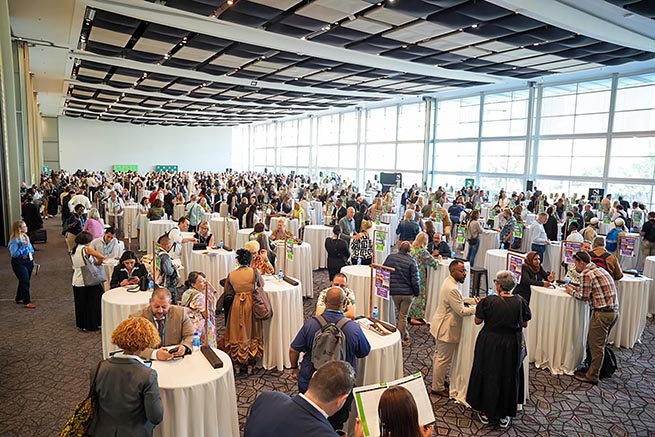
At the recent World Travel Market (WTM) Africa 2026, hosted in Cape Town, various role players from across the tourism sector – including regional tourism bureaus – gathered to promote their destinations and build networks.
Local tourism offices, such as the Oudtshoorn and De Rust Tourism bureau, play a key role at these events. Their presence ensures that the entire region is marketed as a destination.
Importantly, the benefits are not limited to accommodation establishments and attractions.In many cases, businesses that are not even members of the local tourism office still benefit from the increased foot traffic and exposure generated through these marketing efforts. Tourism officials emphasise that this is where local support becomes crucial.
Businesses can engage with the local tourism bureau, keep their information and offerings updated, create packages or experiences that can be marketed collectively and align with regional campaigns to strengthen the overall destination.
Experts point out that collaborative marketing and packaged experiences are key to unlocking growth.
The message is clear: When the region markets itself together, the benefits extend far beyond a single business or sector.
Recognition for responsible tourism
The Western Cape’s tourism sector continues to receive international recognition, with several organisations honoured at the 2026 World Travel Market (WTM) Africa Responsible Tourism Awards.
These awards highlight a growing focus on tourism that not only attracts visitors, but also benefits local communities and economies.
Growth must reach smaller towns
While tourism numbers are climbing, the challenge remains ensuring that growth is felt beyond the major metros.
The Western Cape government says its focus includes expanding tourism into smaller towns, supporting local businesses and encouraging visitors to explore beyond traditional hotspots.
For towns like Oudtshoorn, the opportunity is clear.
Tourism is already a key economic driver – but with the right exposure, events and marketing, the Klein Karoo will be a primary destination.
The question now is not whether tourism is growing, but whether smaller regions are ready to claim their share. (ANGELIQUE ERASMUS)