

People love to do things for God. Lists help. Tasks feel holy. Movement feels productive. And yet Jesus never once told us to try harder to look like Him. He told us to abide.
Ephesians 2:10 says we were created in Christ Jesus to do good works, works God prepared in advance for us to walk in. That means the works already exist. They are not invented by pressure or produced by panic.
They are discovered through intimacy. The problem is not that we do too much. The problem is that we often do from the wrong place. Fruit is the Bible’s preferred language for visible faith. Not effort. Not output. Fruit. Fruit grows. Fruit is organic. Fruit takes time. Fruit cannot be forced without damaging the tree.
So what does fruit actually look like in real life? It looks like obedience that no longer needs applause. When the craving to be seen fades and the quiet yes to God becomes enough.
When you stop explaining yourself and start trusting Him with the outcome. It looks like peace under pressure. Not the absence of problems, but the absence of panic. When the same situation that once stole your sleep now drives you to prayer instead of control.
It looks like restraint. The ability to pause. To listen. To not react immediately. To allow the Holy Spirit to govern your tone, your timing, and your words. Especially when you are right. It looks like consistency over intensity. Faithfulness in the small unseen places. Showing up again and again without needing a spiritual high to validate your devotion.
It looks like joy returning to obedience. When serving no longer feels heavy. When worship is not a duty but a response. When you find yourself smiling in moments that once drained you. It looks like humility that welcomes correction. Not defensiveness. Not self protection. A heart that is teachable because it is secure. It looks like love that costs you something. Loving people who cannot repay you. Forgiving without closure. Blessing without conditions.
It looks like courage. Saying yes when it would be easier to say no. Speaking truth with kindness.
Standing firm without becoming hard.
These are the good works prepared in advance. Not impressive achievements, but transformed responses. Faith is the root. Fruit is the evidence. If you are connected to Christ, fruit will appear. Not overnight. Not perfectly. But inevitably.
And if you find yourself striving, exhausted, measuring yourself against others, hear this gently. You are not called to produce fruit. You are called to remain in the Vine. The fruit will take care of itself. Because when grace becomes the source, obedience becomes the overflow. (VICKY LUDICK)
The hope of his calling
Hey beloved, we are going to sit on Ephesians 1:17-23 a bit if that is okay? If this Scripture opens the way Paul intended, it will completely reframe how you see yourself and how you see the church.
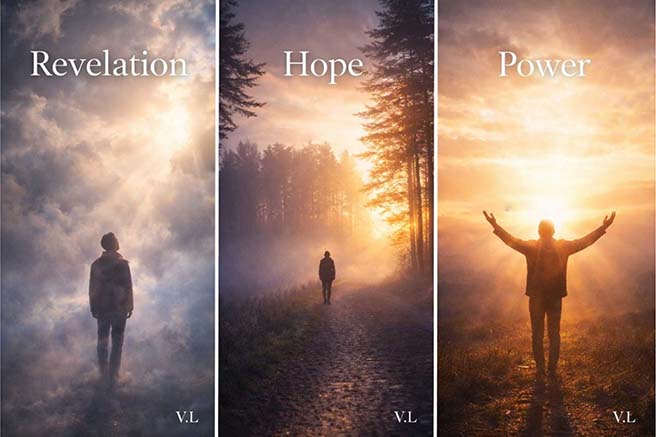
In Ephesians 1 Paul prays that the eyes of our hearts would be enlightened so that we may know what are the riches of His glorious inheritance in the saints. Not our inheritance in God. His inheritance in us. Read that again slowly. Paul is not saying that God wants us to understand what we get from Him. He is praying that we would see what God gets in us. This is where revelation must interrupt our assumptions. We often approach God from the posture of need. What He must give. What He must fix. What He must still do.
And while God is generous and faithful, Paul shifts the lens entirely. He speaks of the church as God’s inheritance. His treasured possession. His delight. Inheritance language is covenant language. It speaks of ownership, value, and intentional choosing. God does not inherit accidentally. He inherits deliberately. This means you are not tolerated by God.
You are not endured. You are not barely accepted. You are desired. Yet so many believers live with an inheritance that is promised but never perceived. Legally theirs. Functionally untouched.
Because inheritance must be seen before it can be lived from. Paul prays for enlightened hearts because without revelation, believers will live like spiritual orphans while seated at a table they do not recognise as their own. They will serve God faithfully while secretly believing they are a burden to Him. They will obey, but without joy. They will give, but without rest.
They will worship, but without confidence. And all the while, heaven sees them as treasure. This is why revelation is not emotional hype. It is spiritual sight. The word Paul uses for riches is not modest. It speaks of abundance. Wealth. Overflow. And then he adds glorious. Weighty. Honour filled. Radiant. This is how God describes His inheritance in the saints. Not weak. Not disappointing. Not problematic. Glorious. But notice something important. Paul does not pray that God would make the church His inheritance. He prays that the church would know that they already are.
This means inheritance is not earned. It is revealed.You do not grow into being God’s inheritance through performance. You awaken to it through revelation. Until then, belie-vers strive for approval they already have. This is why insecurity is such a thief. It does not steal salvation. It steals perception. It blinds believers to their value and reduces their identity to function. When you do not see yourself as God’s inheritance, you will try to earn belonging instead of resting in it.
But when revelation comes, everything shifts. You stop serving to be seen and start serving because you are secure. You stop striving to matter and start living from significance. You stop negotiating your worth and start walking with quiet authority. Inheritance perceived produces confidence without arrogance and humility without shame. This also changes how we see the church.The church is not a struggling institution God is constantly fixing. It is the place where He has chosen to dwell. The object of His affection. The carrier of His glory in the earth.
When God looks at His people, He does not see what is lacking. He sees what He has invested. And when we finally see ourselves the way God sees us, we stop shrinking back. We stop apologising for our presence. We stop living like guests in a kingdom where we are heirs.
Paul knows something vital. Without revelation, believers will live beneath what is already theirs. They will inherit on paper but not in practice. Inheritance promised is powerful. Inheritance perceived is transformative.
And that perception does not come from positive thinking. It comes from revelation. From the Spirit opening the eyes of the heart until value becomes clear and belonging becomes settled.This prayer invites us to ask boldly. Lord, let me see what You see when You look at me.
Let me understand my value in Your heart. Let me live as one who is not merely saved, but treasured. Because when inheritance is finally perceived, identity stabilises, faith deepens, and life begins to flow from rest instead of striving. And that kind of life always bears fruit. (VICKY LUDICK)